
Many people spend their digital lives on social media, sharing photos and videos through apps like Instagram or messaging platforms, yet they rarely save anything with the intention of preserving it for the future. Others, however, have extensive digital collections on computers and smartphones, hoping family photos, holiday videos, scanned documents, and old letters will last for generations.
Unlike physical photo albums, digital files are not guaranteed to remain accessible decades from now. A digital archivist warns that without proper care, these files can be lost to time, just as a photo album left outdoors would deteriorate. Ina-Maria Jansson, a researcher and archivist at Uppsala University Library, emphasizes that preservation requires more than choosing storage media or formats.
Document Everything
Jansson identifies documentation as the most essential step for ensuring loved ones can access digital archives. What seems obvious to one person may be incomprehensible to the next of kin. She advises creating an index of folder contents, labeling storage devices clearly, and informing relatives about the existence and location of documentation. Without this, valuable digital assets can be forgotten or lost during estate settlements.
A common oversight is assuming family members will share the same interest in preserving digital collections. Jansson notes that children and grandchildren may lack the time or energy to manage these files. To prevent this, she recommends explaining the content’s significance and guiding younger generations through the archive well in advance.
Physical Copies for Key Items
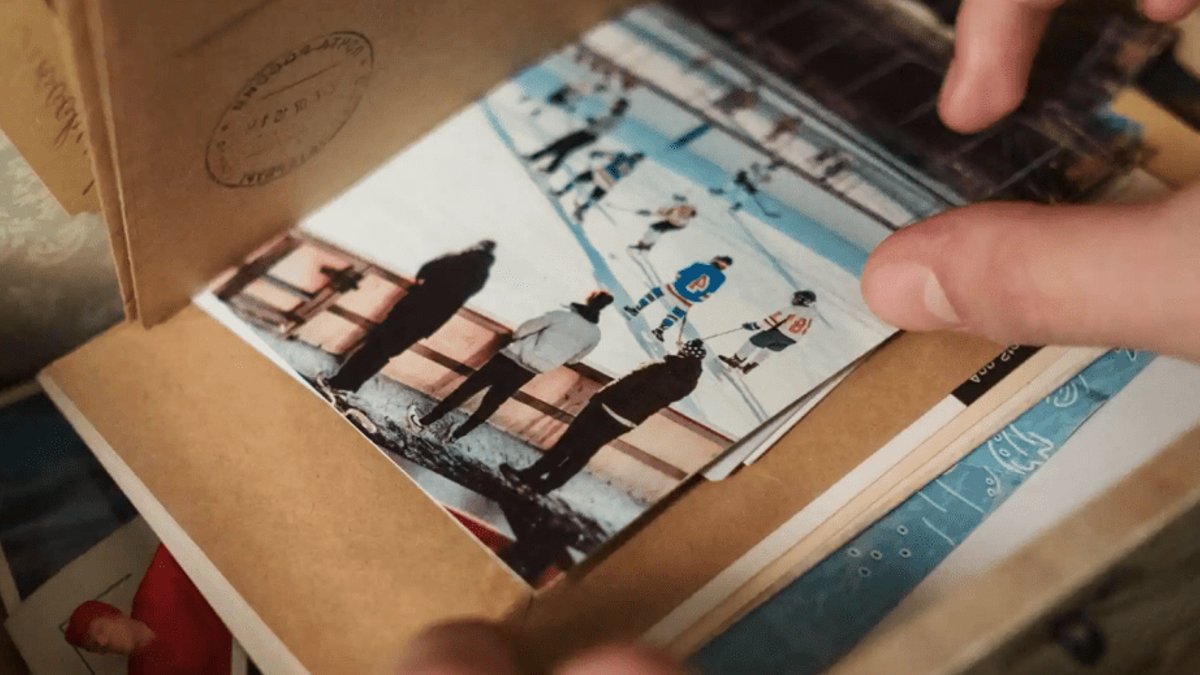
Jansson advocates for creating physical or analogue archives of the most important photos and documents. She argues that humans often dismiss digital items because they lack physical presence. Digital photos and videos can be easily overlooked during moves or estate cleanups, unlike visible photo albums.
Read Also: Meta’s Muse AI Shops Online with Secure Payments
Physical copies are more durable and easier for heirs to preserve. For cherished photographs, Jansson suggests printing them on acid-free paper and storing them in protective sleeves with details. While video is more complex, some companies can transfer digital films to 16-millimeter analogue film, creating a long-lasting archive copy. Under optimal conditions, such as cold storage, analogue film can last up to 500 years, compared to a hard drive’s 10-year lifespan.
Digital preservation is an ongoing task. Jansson confirms there is no technology that allows files to be copied once and forgotten. Physical threats like fires, floods, or malware, combined with digital risks such as bit rot and file corruption, require regular checks.
For most individuals, Jansson recommends cloud storage as the best option. She advises documenting account details and ensuring subscription fees continue even after the account holder’s death. Making it easy for relatives to locate login information and documentation is essential.
The challenge of long-term preservation extends beyond physical threats to include the evolution of technology itself. Hard drives may survive fires, but without compatible hardware and software, their contents remain locked away. Jansson notes that file formats can become obsolete, rendering even intact files unreadable. This is why choosing open formats like PDF, TIFF, and PNG matters—they’re more likely to remain supported over decades.
Active Management and Future Technologies
Emerging technologies promise innovative solutions, though they remain experimental. Researchers at the University of Southampton have developed five-dimensional memory crystals in quartz glass, capable of storing 360 terabytes with an estimated lifespan of billions of years. These crystals, used to preserve human DNA and cultural artifacts in Austria’s “Memory of Mankind” project, represent a leap beyond current storage methods. While impractical for personal use today, such innovations hint at a future where digital legacies could endure millennia.


