
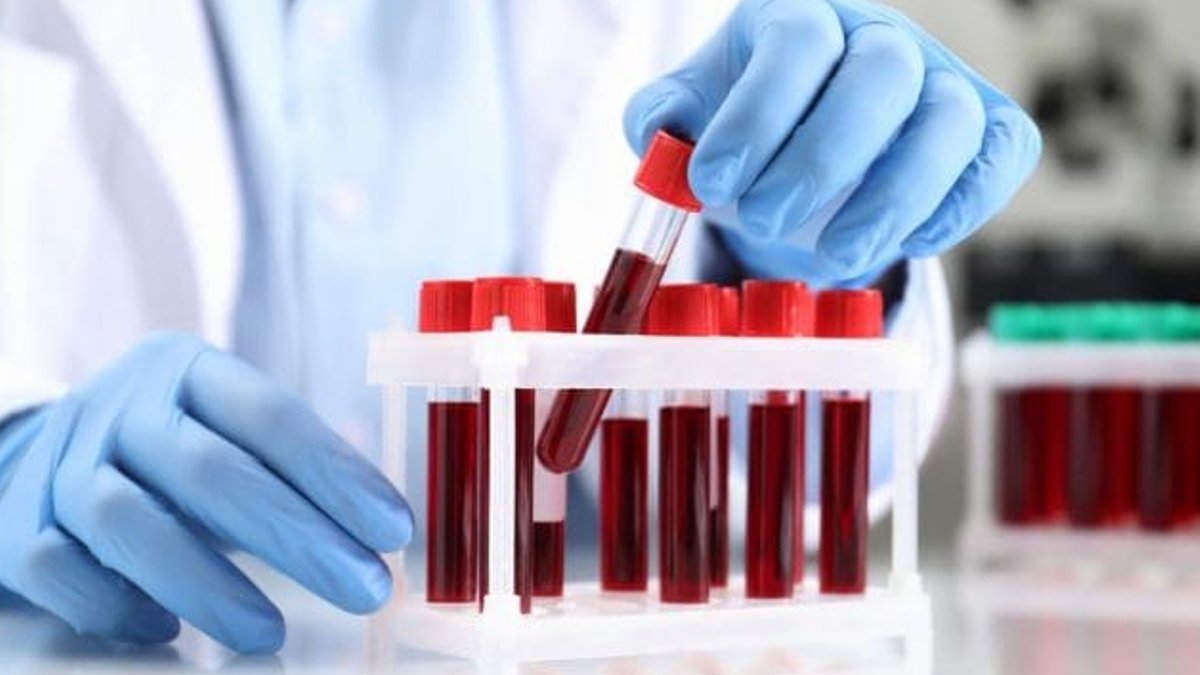
More than 20,000 patients in England will take part in a world-first trial designed to detect cancer through blood tests. Developed at the University of Birmingham, the study will operate across 200 GP practices and focuses on a wide range of abdominal cancers. Participants must be aged 45 and over, and individuals presenting symptoms like persistent bloating or discomfort will be offered the chance to undergo the screening. The blood test checks for early markers that appear before severe symptoms develop, potentially allowing for treatment long before a major health issue arises.
The STRIDE-RCT test can also suggest the location of those signs within the body using only one or two vials of blood alongside routine tests. The technology employs several newer developments, including the ability to measure proteins in blood and artificial intelligence. AI is increasingly used in cancer detection because of its pattern-recognition abilities. In prostate biopsy reporting, the use of AI concurrently led to a reduction of 30.1 hours in mean turnaround time. The results of this trial period will be judged alongside GPs’ judgements before being made available nationwide.
Read Also: Scientists push gravitational wave detectors for clearer cosmic signals
Abdominal cancers are notorious for being detected too late. If successful, the research offers a way to identify cancer before it develops and prevent it from progressing. The development could reduce the 71,000 people who are diagnosed with pancreatic, stomach, liver, ovarian, or bowel cancer in England per year, and eventually lower the number of people who die from these cancers annually at 35,000. Around nine in ten who are diagnosed with bowel cancer at stage 1 survive at least five years, compared to one in ten for those who are detected at stage 4.
Secretary of state for health and social care, Yvette Cooper, stated that the earlier cancers are diagnosed, the more chance they can be successfully treated and lives saved. Cooper added that this world-first trial will establish whether simple blood tests can help GPs identify, much sooner, the patients who need urgent support. Innovations like these are a key part of the National Cancer Plan, which will provide faster diagnosis, more effective treatment, and better care for every patient, while also investing in the trials and technology that offer hope of curing cancer for good.


