
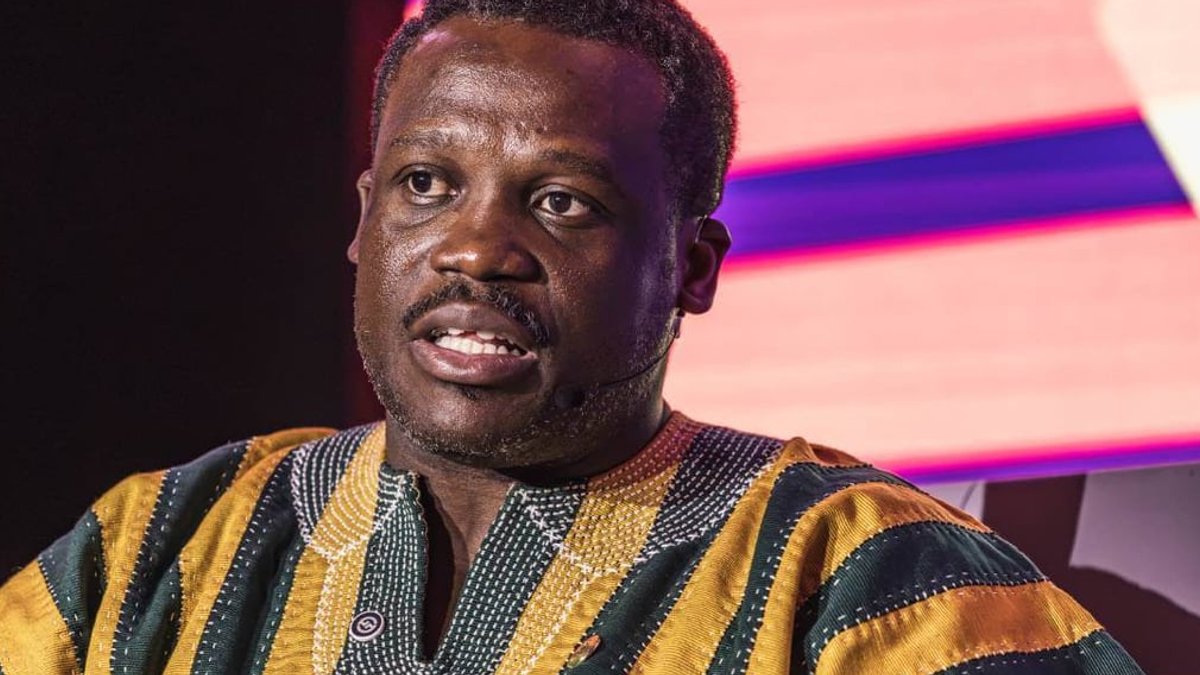
Ghana’s minister for communication, digital technology, and innovation has demanded that African nations adopt a consistent approach to data sovereignty. The policy should not vary by country but instead apply uniformly across the continent, he argued.
Samuel George delivered these remarks at the 29th Africa Tech Festival in Cape Town. During a session called Reshaping the Digital Order, he clarified that sovereignty involves control over data—not merely where it is stored.
He also scrutinized how major technology firms manage data belonging to African users, questioning how it generates revenue and whether any benefit flows back to the continent.
George insisted that a unified African strategy is essential, treating the continent as a single economic bloc. He acknowledged that the next five years will be defining, but the next two are particularly urgent.
Read Also: South Africa urges Africa to lead in AI development
Meta’s Vice President of Public Policy for Africa, Kojo Boakye, concurred that transparency in data monetization is necessary. However, he disputed the idea that data is a limited resource akin to oil or minerals.
Boakye also raised concerns about whether every African nation should pursue costly AI development.
While George advocated for swift action, Boakye proposed a more deliberate approach, emphasizing the need for financial sustainability and broader economic coordination. Their differing perspectives reveal conflicting priorities in Africa’s digital strategy, balancing speed with practical constraints.
Both acknowledged that the continent’s ability to influence its digital future hinges on establishing clear data governance frameworks and strategic infrastructure investments. However, they remain divided on the pace and uniformity of implementation.


