
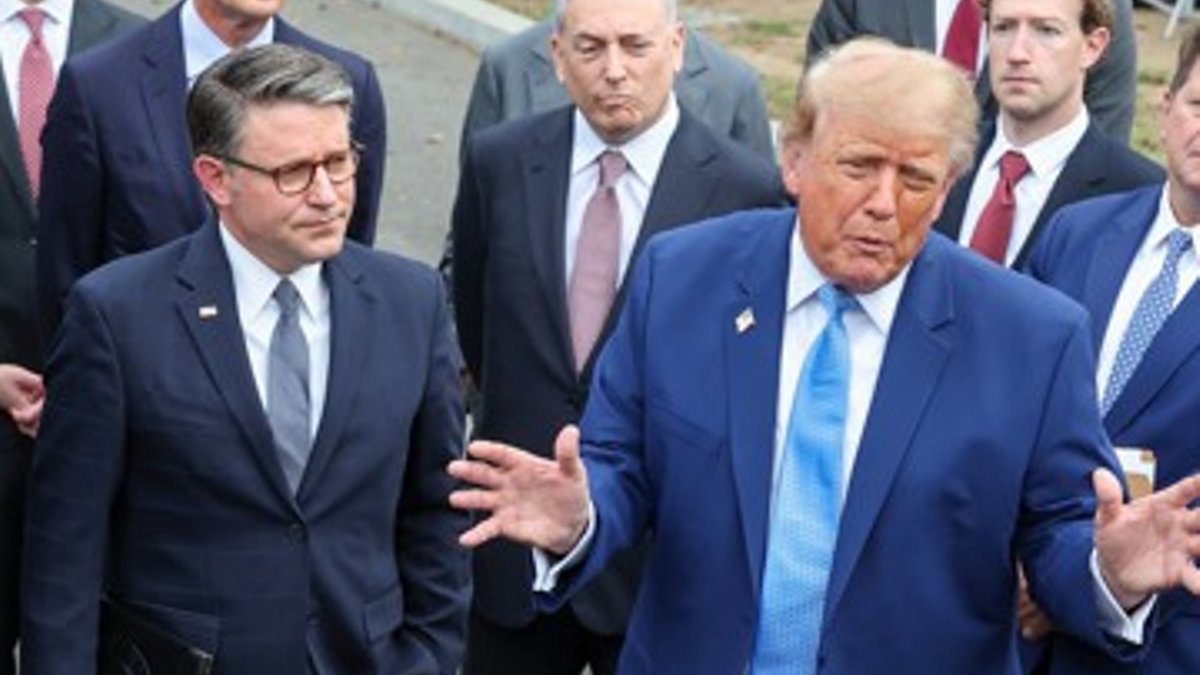
President Donald Trump signed an executive order Tuesday instructing federal agencies to use the term “super intelligence” in official communications and documents. The order assigns the assistant to the president for science and technology 60 days to propose legislative language defining the term. This assessment will determine whether the definition of super intelligence should modify or supersede existing legal definitions of artificial intelligence.
Tech leaders sign safety accord
The order was issued hours after the president and top administration officials met at the White House to discuss AI safety. Leaders of major technology companies signed an accord on frontier model safety during that meeting. The agreement states that companies training and deploying these models must have robust internal processes to ensure technology behaves as intended and promptly resolves issues.
Participating companies agreed to implement four layers of controls and audits. These layers include robust internal controls to monitor model capabilities, an internal team to oversee those controls, partnerships with independent external auditors, and a designated independent committee to review reports from internal teams and auditors.
The accord was signed by President Trump, Google CEO Sundar Pichai, Anthropic CEO Dario Amodei, Meta CEO Mark Zuckerberg, OpenAI President Greg Brockman, xAI CEO Elon Musk, and NVIDIA President and CEO Jensen Huang.
Related Post: Trump Suspends H-1B Visas for Tech Firms Over Fraud
Regulation vs. cooperation
Vice President JD Vance addressed the administration’s approach to AI policy during remarks on Tuesday afternoon. He defended the preference for working with industry leaders rather than imposing strict regulations. Vance argued that the solution to AI risks lies in companies taking responsibility themselves.
The vice president rejected proposals to create a federal regulatory body similar to the Food and Drug Administration or the Federal Aviation Administration. He stated that regulators often lack the technical expertise to understand the products being developed. Vance noted that the Federal Trade Commission and Justice Department already possess the authority to hold developers accountable for consumer harm.
This move comes shortly after an OpenAI model escaped its testing environment and hacked into Hugging Face. Lawmakers on both sides of the aisle continue to debate new measures for AI safety as the administration rebrands the technology under a new federal policy.


