
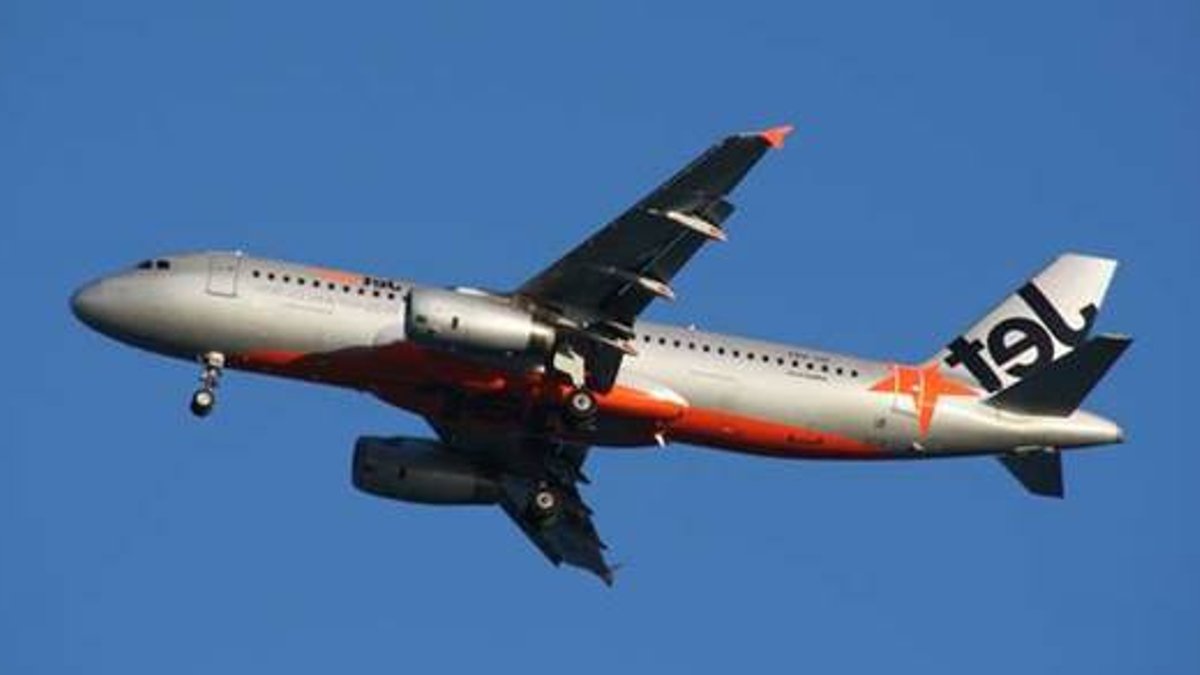
Jetstar has launched a new AI-driven fleet optimisation system called Flow, designed to cut costs and minimise delays across its 3,000 weekly flights. The system is positioned as a new tool in the airline’s digital arsenal, alongside its existing predictive maintenance capability. This development reflects Jetstar’s continued effort to optimise operations in a highly competitive market. Competition drives innovation.
The New System vs. Skywise
Jetstar already uses Skywise, a predictive platform for aircraft health that Airbus began supplying to the carrier and its parent Qantas in 2024. Flow distinguishes itself from Skywise by focusing on the daily operation of the entire fleet. While Skywise analyses maintenance needs and potential failures, the AI platform handles the complex logistics of scheduling.
Speaking at a software industry event in Sydney, Joann Chow, Jetstar’s operations strategy and insights senior manager, explained the scale of the task. The optimisation platform must pick through 500,000 operating constraints, which translates to processing 1.5 million decisions per week. It determines which aircraft should be assigned to each route based on a variety of factors. The task is massive.
Related: ADHA extends My Health Record support deal with Accenture
The variables are numerous, ranging from engine type and fuel burn to port restrictions and part maintenance schedules. The logic component even considers physical features like sharklets, the small, curved wingtips designed to cut drag. With the Qantas Group announcing $5 billion in fuel costs for FY 24/25, even a small efficiency gap adds up quickly. Managing these variables presents a logistical puzzle of epic proportions.
Missing a maintenance window that is near the limit risks crowding the aircraft. Getting an operational restriction wrong might mean a flight cannot take off. Crew swaps are not free and create inefficiencies, dissatisfaction, and sometimes delays. Chow explained that these aren’t rare risks to insure against.
How It Changes Operations
The system is designed to augment human planners rather than replace them. Instead of starting from scratch, planners are handed ready-to-act recommendations that they ultimately have to evaluate and approve. This speeds up decision-making and ensures every decision benefits from the same rigorous evaluation, regardless of who is on shift that day.
The platform offers better visibility, allowing planners to see trade-offs across fuel, maintenance, and crew all at once. It also allows for faster re-planning. Optimisation happens in minutes, so if something changes, a new recommended outcome is generated quickly. This is particularly useful during disruptions.
Related: 2026 Benchmark Security Awards Finalists Announced
Currently, the optimisation engine can handle fleets on a timeline of ten operating days ahead. Chow said Jetstar sees benefit in extending that further up to the horizon. The objective is a view that adapts to real-time changes.
For Jetstar’s planners, this shift represents a move away from constant firefighting. When the optimisation engine suggests a change, they don’t have to build a schedule from a blank page. This reduces the burnout of dealing with late-night disruption calls and the dissatisfaction caused by constant crew swaps. It allows them to focus on evaluating the trade-offs rather than managing the chaos of disjointed systems.
Future Applications
Jetstar now repurposes the software foundation that the optimisation engine is built on. The architecture, built on Snowflake’s Snowpark Container Services with Gurobi providing the logic component, allowed the carrier to run the required engine where the data already lived. This avoided moving data between platforms and stitching environments together.


